 Blog
BlogThe Birth of Miami: How the Magic City Got Its Name and Became a City
Miami, known for its vibrant culture, bustling nightlife, and stunning beaches, has a fascinating history that dates back long before it became the bustling metropolis we know today. The story of how Miami became a city and how it got its name is intertwined with tales of visionary individuals, geographic uniqueness, and historical happenings.

Origins of the Name "Miami" The name "Miami" is derived from the Mayaimi, a Native American tribe that lived around Lake Okeechobee until the 17th or 18th century. The term "Mayaimi" means "big water," a fitting name considering the city's proximity to large bodies of water, including the vast Atlantic Ocean and the expansive Everglades. The name was later adapted by settlers and became the official name of the city.
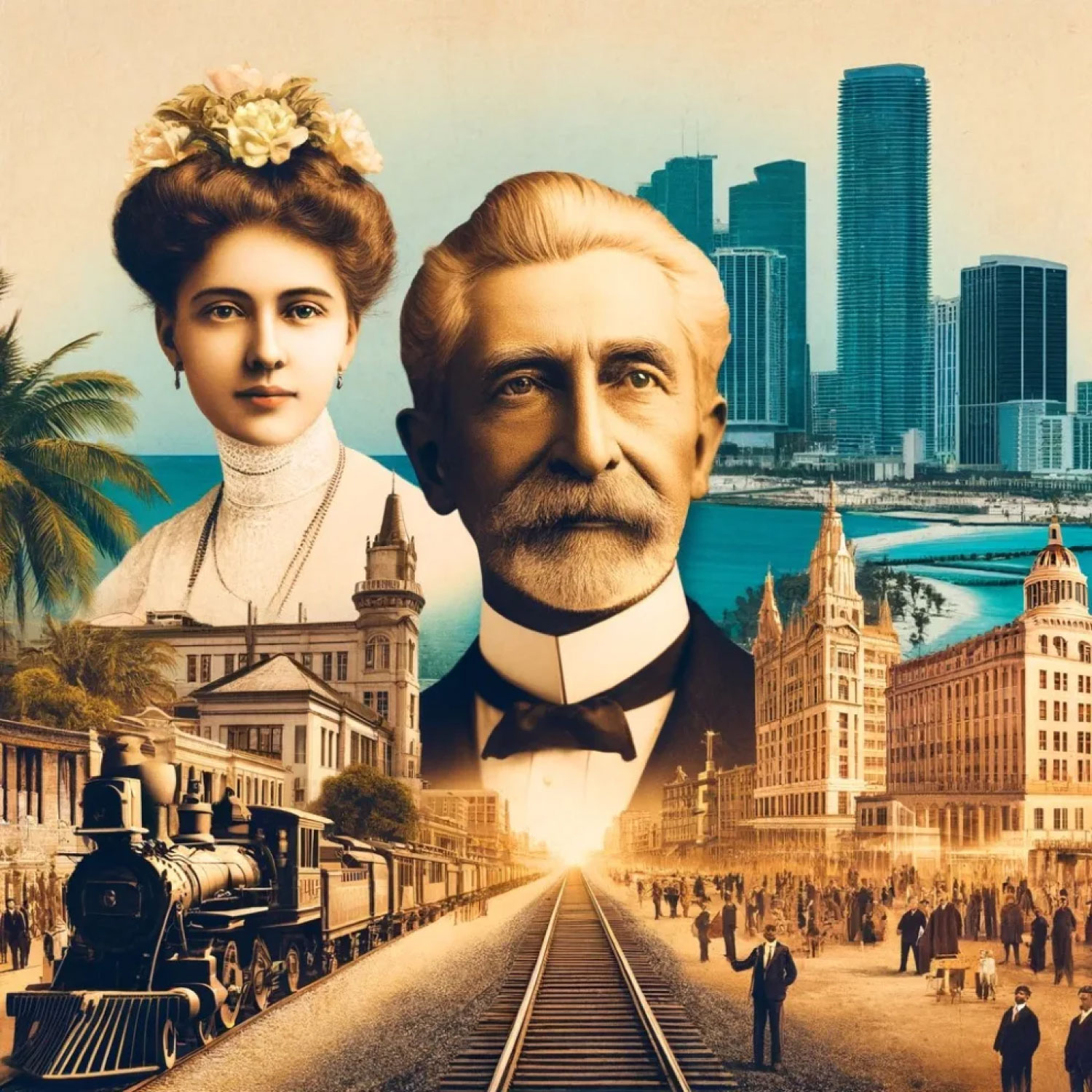
The Making of a City Miami's transformation from a modest settlement to a thriving city is largely credited to a handful of individuals who saw the potential in the region's strategic location and natural resources. The most prominent figure among them was Julia Tuttle, often referred to as the "Mother of Miami." Tuttle, a local landowner, believed in the potential of the area and convinced railroad magnate Henry Flagler to extend his Florida East Coast Railway to the region. This was a pivotal moment in Miami's history.
In 1896, with the completion of the railroad and the incorporation of Miami, the city saw rapid growth. Flagler's railroad brought in settlers, tourists, and businessmen, turning the area into a bustling economic center. The railroad also made it easier to export agricultural products and import goods, facilitating trade and further development.
Development and Expansion The early 20th century was a period of significant growth for Miami, driven by land booms and the burgeoning tourism industry. The city's favorable climate and beautiful beaches made it a popular destination for northerners seeking refuge from colder temperatures. This influx of visitors and residents led to the construction of roads, hotels, and residential buildings, laying the foundation for modern Miami.
Cultural and Demographic Evolution Throughout the 20th century, Miami became a melting pot of cultures, especially with the arrival of Cuban refugees in the 1960s. This added to the rich cultural tapestry of the city and influenced its music, cuisine, and social fabric. Today, Miami is renowned for its diverse population and its role as a hub for international trade and relations, especially with Latin America.
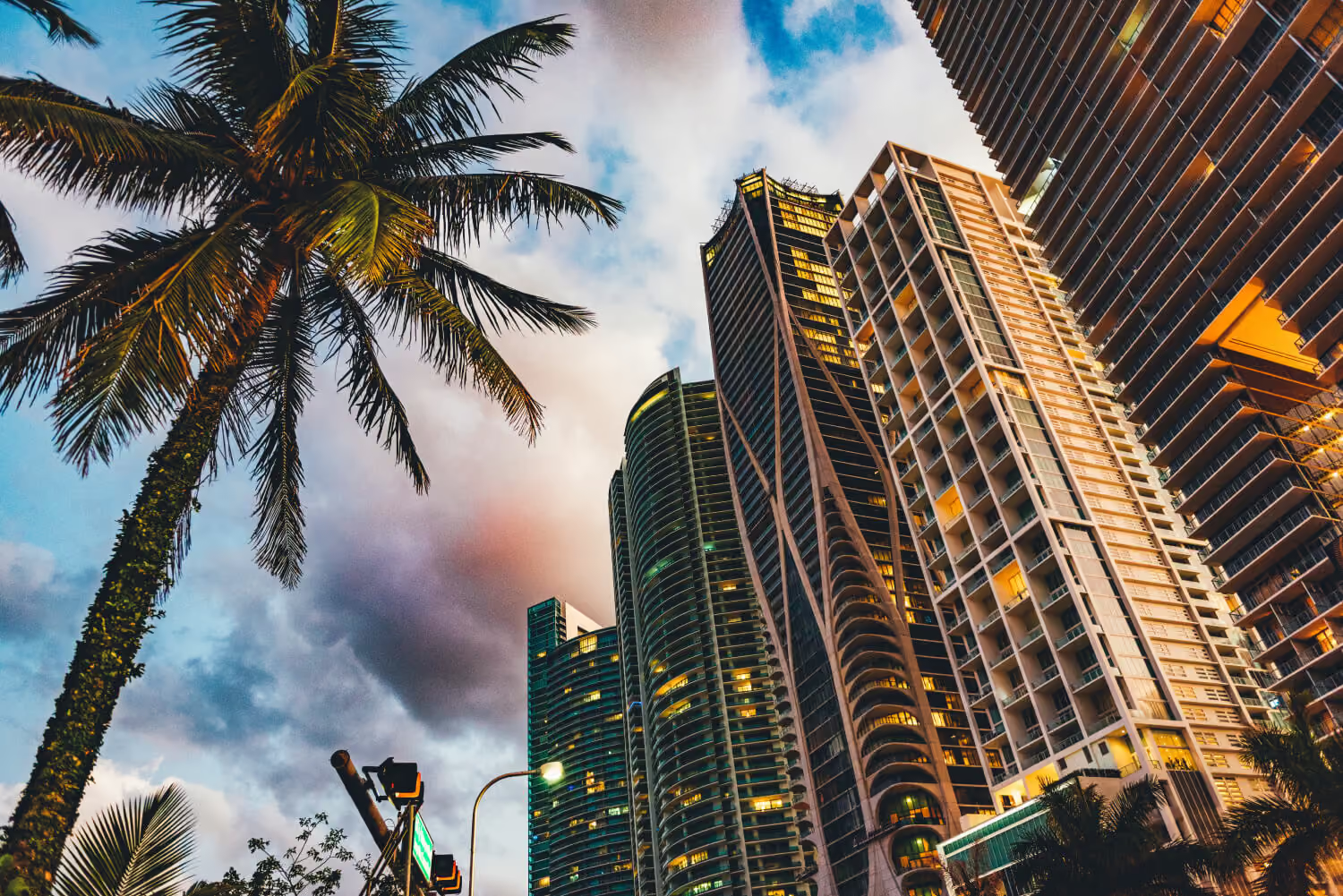
Miami Today Today, Miami stands as a testament to resilience and diversity. It's a leading financial and cultural center not only in Florida but in the United States. The city continues to attract millions of visitors and new residents every year, drawn by its weather, cultural richness, and economic opportunities.
From its origins as a Native American habitat to its current status as a global city, Miami's story is one of transformation and growth. It is a city that truly embodies the spirit of innovation and diversity, making it a unique and dynamic place on the map of the world.



FAQs
What dining options are available at The Elser Hotel?

Does ViceVersa serve breakfast or lunch?
Are there vegetarian, vegan, or gluten-free options?
Other Blogs You May Enjoy

.jpg)
Explore Little Havana: Best of Calle Ocho, Cigars, and Authentic Cafecitos
Little Havana is full of culture, tradition, and charisma, but the best parts aren’t always obvious if you’re just passing through. Calle Ocho is the main route, but knowing where to start makes the whole visit better.

Miami’s Best Beaches: A Guide to Finding Your Perfect Stretch of Sand
Discover the best beaches in Miami, from South Beach to Key Biscayne. The Elser Hotel puts the shoreline minutes away, with exclusive beach club access included.

Miami 3-Day Itinerary: From The Elser Hotel
Miami is one of those endlessly fascinating cities that rewards the curious. While it’s renowned for gorgeous beaches, incredible nightlife, and Art Deco architecture, behind the sun-drenched glamor you’ll find a city of genuinely distinct neighborhoods, world-class food, and a pace of life that’s captivating from the moment you arrive.
Connect With Us