 Blog
BlogThe Mysterious Behavior of Animals Before Hurricanes: What We Can Learn from Florida’s Wildlife
As Floridians prepare for the possibility of Hurricane Milton, many people are well aware of the usual safety measures: boarding up windows, stocking up on supplies, and preparing for potential evacuations. However, nature offers its own clues about the impending storm, particularly through the unusual behavior of animals. Long before hurricanes strike, wildlife often acts as an early warning system, showing strange or erratic behavior that hints at the incoming danger.
This phenomenon has fascinated both scientists and residents for years, and understanding it can add another layer to our preparation, especially in hurricane-prone regions like Florida.

Animal Instincts: A Natural Alarm System
While modern technology can track storms from thousands of miles away, animals appear to rely on their finely tuned instincts and heightened senses to detect atmospheric changes long before humans can. Animals have evolved over millennia to survive natural disasters, and their ability to sense barometric pressure drops, shifts in humidity, or even low-frequency sounds from afar allows them to react to storms before we ever see the first raincloud.
In Florida, where hurricanes are a regular seasonal occurrence, various species display fascinating changes in behavior as a storm approaches.
Florida’s Wildlife and Pre-Hurricane Behavior
1.Birds and Flight Patterns
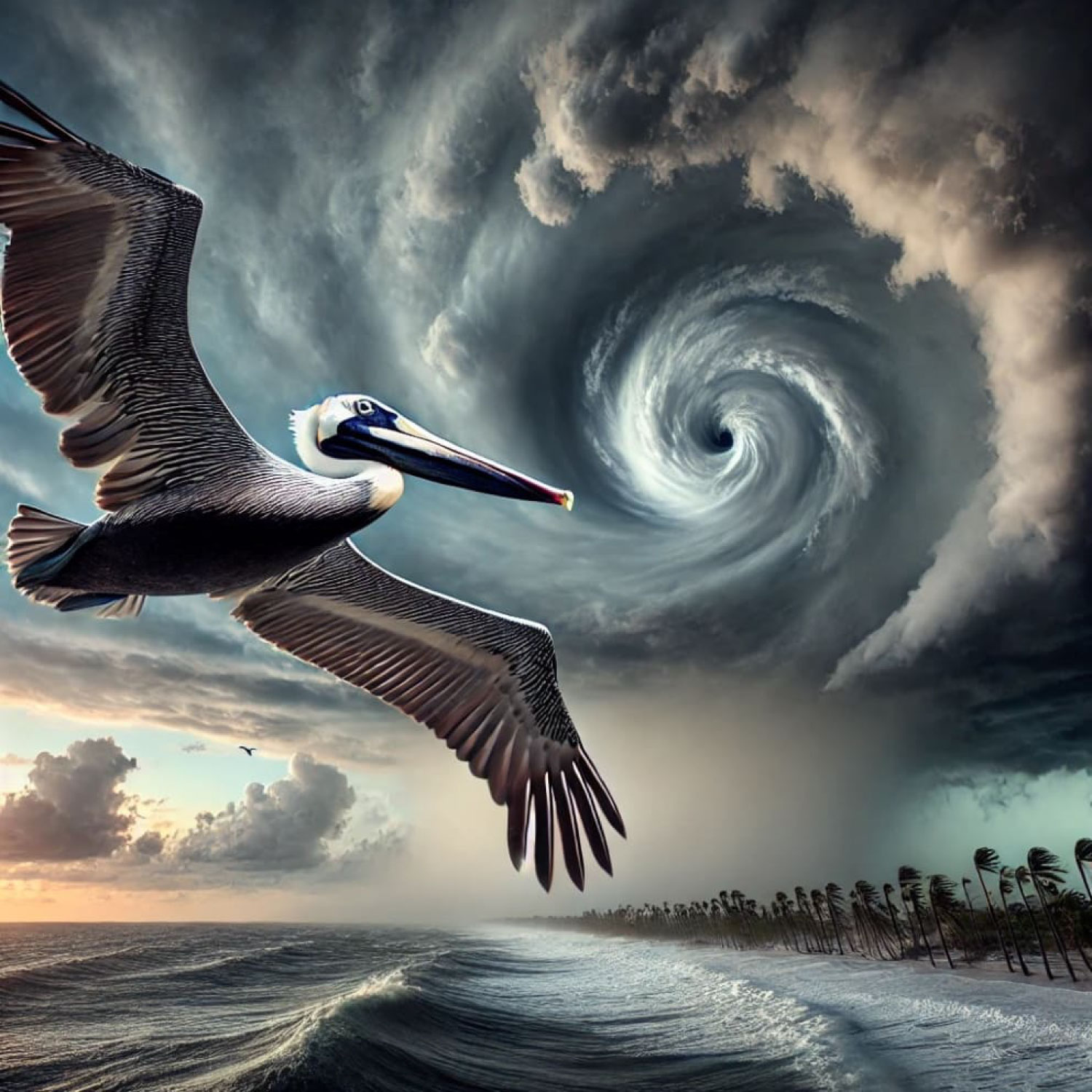
Birds are particularly sensitive to atmospheric pressure changes. In Florida, species like pelicans, egrets, and seagulls may be seen flying inland well before a storm hits. Migratory birds are known to alter their usual paths, often seeking shelter in unusual locations. In the lead-up to a hurricane, you might notice fewer birds on the beach and more in areas further from the coast.
Some studies suggest that birds can sense the low-frequency sounds produced by hurricanes that are undetectable to the human ear, causing them to flee days in advance. In the case of Hurricane Irma, many residents of the Florida Keys reported seeing flocks of birds taking to the sky long before the storm arrived.
2.Sharks and Marine Life
Marine animals, especially sharks, exhibit odd behavior prior to hurricanes. Sharks have been documented moving to deeper waters when they sense changes in water temperature and pressure that indicate an approaching storm. Researchers using tracking devices on sharks in the Gulf of Mexico have seen a sharp decrease in nearshore activity as storms near Florida’s coastline.
Fish and other marine creatures often dive to greater depths to avoid the turmoil of the surface waters. In areas like the Florida Keys, where the marine ecosystem is crucial, this behavior can have significant effects on fishing patterns, further altering the local economy.
3.Alligators and Reptiles
Alligators, common in Florida’s wetlands and swamps, may become more active in the days leading up to a storm. These reptiles, known for their sluggish nature, often seek higher ground or shelter when a hurricane approaches. During Hurricane Wilma, for instance, several alligators were observed leaving their usual habitats and heading to elevated areas.
Similarly, snakes and other reptiles are known to evacuate low-lying areas, which can sometimes lead to sightings in unexpected places, such as in residential areas or even highways. This is why many Floridians report an increase in wildlife encounters during hurricane season.
4.Pets Acting Out of Character
It’s not just wild animals that demonstrate this phenomenon. Pet owners in Florida often notice unusual behaviors in their dogs, cats, and even birds before hurricanes arrive. Some dogs become agitated, whining or pacing restlessly, while cats may hide or cling to their owners more than usual.
Pets can also pick up on changes in atmospheric pressure and electrical activity in the air, prompting them to act in ways that seem out of character. This can serve as an early warning for pet owners to begin making their own preparations.
The Science Behind the Behavior
While much of the anecdotal evidence surrounding animals and hurricanes stems from observations passed down through generations, there is growing scientific interest in understanding these behaviors. One theory suggests that animals are highly attuned to the fluctuations in barometric pressure, which drops significantly before a hurricane hits.
Another possibility is that animals can sense the infrasound produced by hurricanes, which travels over long distances and serves as an early alarm. These sound waves, imperceptible to the human ear, may alert animals well in advance of approaching danger.
Preparing for Hurricane Milton: What to Watch For
With Hurricane Milton on the horizon, it’s worth keeping an eye on the behavior of Florida’s animals. As we approach the peak of hurricane season, it’s more than just a storm tracker that can give us clues about an incoming storm.
1.Watch the Skies
If you notice large groups of birds behaving unusually, flying inland, or disappearing from their usual areas, it could be a sign that the storm is approaching faster than anticipated.
2.Check the Water
If you’re near the coast or enjoying Florida’s many water activities, be aware of unusual behavior in marine life. If you notice fewer fish near the surface or an absence of marine activity, it could be a clue that the animals have sensed something you haven’t.
3.Observe Your Pets
Whether it’s unusual anxiety, excessive barking, or restlessness, pets often give subtle signs that something is amiss. If your furry friend starts acting out of the ordinary, it might be time to double-check your hurricane preparations.
How This Phenomenon Helps Prepare Florida for Hurricanes
Understanding and paying attention to animal behavior before hurricanes can offer us valuable insights. For Florida residents, integrating this natural “early warning system” with modern technology can help keep families safe and potentially save lives.
Whether you’re a wildlife enthusiast or simply a concerned citizen, observing the changes in nature’s behavior as Hurricane Milton approaches could offer additional peace of mind as you finalize your emergency plans.






FAQs
What dining options are available at The Elser Hotel?

Does ViceVersa serve breakfast or lunch?
Are there vegetarian, vegan, or gluten-free options?
Other Blogs You May Enjoy


The Remote Worker’s Guide to Miami: Quiet Coffee Shops, Strong Wi-Fi, and the Best Power Lunches
Working remotely from Miami doesn’t mean spending the day staring at your laptop in a hotel room while the pulse of the city carries on outside. Slip into a café for a focused morning, meet with clients over a fantastic lunch, take an afternoon call in the sun, and still be back by Biscayne Bay as soon as quitting time rolls around.
.jpg)
Explore Little Havana: Best of Calle Ocho, Cigars, and Authentic Cafecitos
Little Havana is full of culture, tradition, and charisma, but the best parts aren’t always obvious if you’re just passing through. Calle Ocho is the main route, but knowing where to start makes the whole visit better.

Miami’s Best Beaches: A Guide to Finding Your Perfect Stretch of Sand
Discover the best beaches in Miami, from South Beach to Key Biscayne. The Elser Hotel puts the shoreline minutes away, with exclusive beach club access included.
Connect With Us